A framework by AgeTech Labs Inc.
Forgiving by design.
A design framework for homes that forgive human error — built for the condominiums where the problem concentrates.
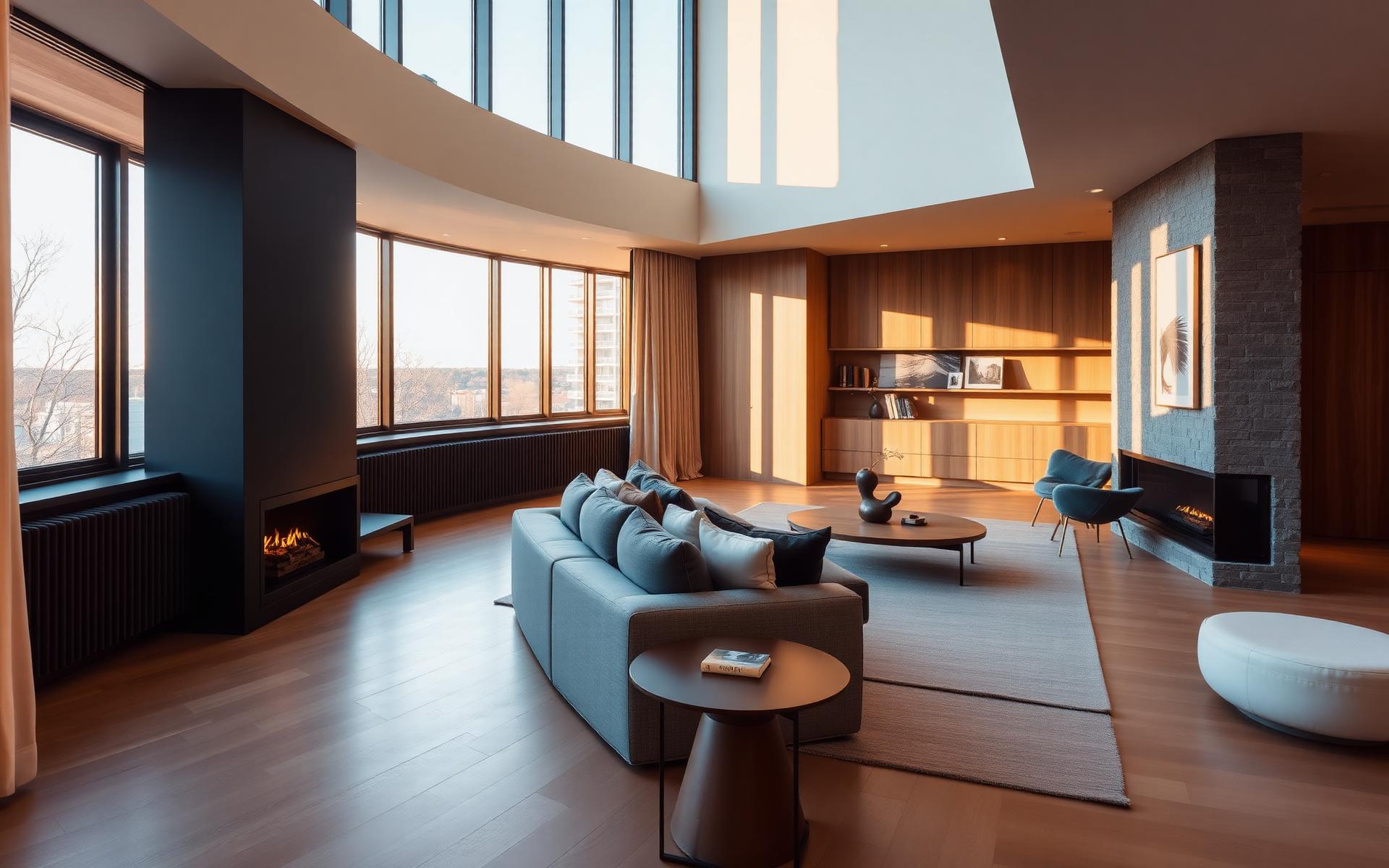
The Problem
As Canada's population ages, the gap between how homes are designed and who actually lives in them is widening. Homes haven't caught up. This is a design gap, not a shortcoming of the people inside.
The Framework
Four layers of resilient living.
Each layer remains protective when every layer above it has failed.
Layer 04
AI Orchestration
Understands context and responds proportionally.
“The stove is on and no one is home.”
Layer 03
Intelligent Systems
Detects abnormal conditions and interrupts hazards.
Leak sensors · auto shutoffs · stove shutdown · monitored detection
Layer 02
Passive Protection
Works with no power, software, or user action.
Overflow drains · containment pans · braided hoses · self-closing doors
Layer 01
Architectural Design
The physical environment reduces risk by its nature.
Induction cooking · waterproof floors · drains · compartmentalization
Who it's for
Written for the people who shape the built environment.
- Condominium Boards
- Property Managers
- Insurers & Brokers
- Developers
- Reserve Fund Engineers
- Policymakers
- AgeTech Builders
About
An open framework.
Resilient Living was created by Phil Vlach, Founder of AgeTech Labs Inc. and technical chair of CAN/DGSI 143 — Elder Living Open Architecture, a proposed National Standard of Canada currently under development.
It is published as an open framework so that boards, insurers, developers, and technologists can adopt, extend, and build against a shared architecture for homes that forgive.
“Ordinary mistakes should have ordinary consequences.”
Resilient Living™ — AgeTech Labs Inc.